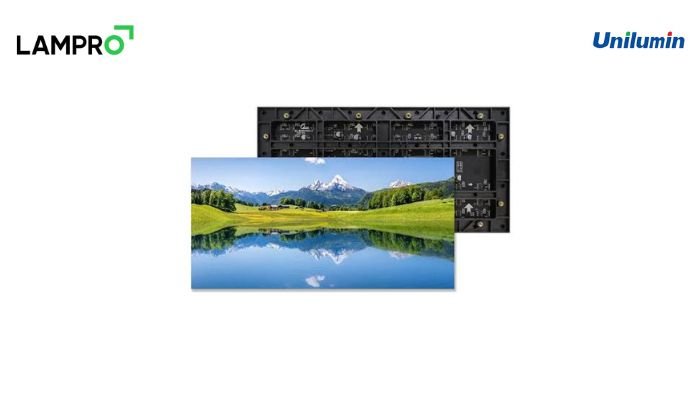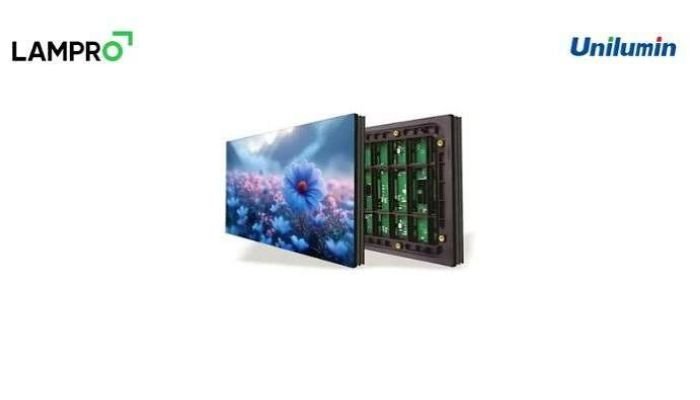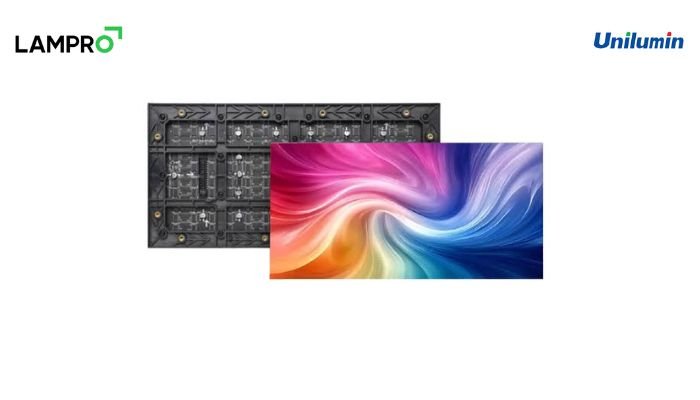

Outdoor advertising LED screens in Pakistan require daylight-viewable brightness (6,000–8,000 nits), IP65/IP66 weatherproofing, and calibrated pixel pitch selection (P4–P10) matched to highway or roadside viewing distances. Pro SMD Screen delivers turn-key digital billboards, custom structural steel fabrication, and Novastar cloud control systems with 3-year official warranty nationwide.
Why Businesses Are Moving to Outdoor LED Advertising
A printed billboard says one thing for weeks. An outdoor LED screen can run several advertisers in rotation, switch to a flash sale in minutes and keep working after dark. For a busy junction in Lahore or Karachi, that flexibility is the difference between renting one message and selling many.
The screen is also a long-term asset. Once installed, the same hardware earns from every campaign, and content updates go out over the internet instead of a crew with a ladder. The catch is that an outdoor screen has to survive Pakistani sun, dust and rain, so specification decisions made on day one decide how well it performs for years.
Step 1: Choose the Right Pixel Pitch
Pixel pitch is the distance between pixels in millimeters. Smaller means a sharper picture and a higher price. Larger means a coarser picture seen from farther away. The right choice depends on how far your nearest viewer will be, not on the size of the screen.
| Pixel Pitch | Minimum Viewing Distance | Optimal Application | Brightness Rating |
|---|---|---|---|
| P4 Outdoor | 4 – 6 Meters | Retail storefronts, pedestrian plazas, petrol stations | 5,500 – 6,500 Nits |
| P6 Outdoor | 6 – 10 Meters | Commercial building facades, city roadside billboards | 6,500 – 7,500 Nits |
| P8 / P10 Outdoor | 10 – 25+ Meters | Highways, overpasses, massive sports stadium screens | 7,000 – 8,500 Nits |
For a deeper look at how pitch affects image quality, read our pixel pitch guide.
P6 vs P8 Outdoor Screen: Which Should You Pick?
This is the question we hear most from billboard owners. Both work outdoors, but they serve different roads.
P6 gives a noticeably sharper image. It is the better choice where pedestrians, slow traffic or buildings put viewers within 6 to 10 meters, such as city-center roadsides, plazas and building facades. Logos, text and product shots stay crisp.
P8 uses fewer LEDs per square meter, so it costs less and draws less power. It suits wide roads, flyovers and fast traffic where viewers are 10 meters or more away and the message needs to be bold, not detailed.
The common mistake is buying P6 for a highway because it sounds premium. At 20 meters or more from the screen, nobody can see the extra detail, and the budget would have been better spent on a bigger screen.
Step 2: Get the Brightness Right
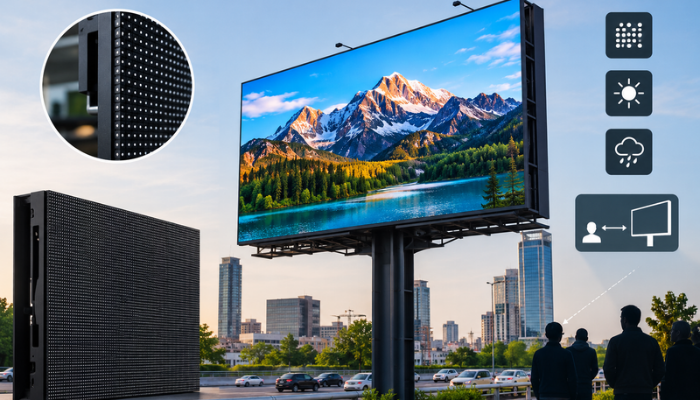
Pakistan has strong sun for most of the year, and a screen that looks fine in a showroom can wash out at noon. Outdoor advertising screens need roughly 6,000 to 8,000 nits to stay readable in direct daylight.
Orientation matters as much as the number. A screen facing west gets direct afternoon sun right when traffic peaks, so it needs the top of the range. A screen under a covered area or facing north can work at lower brightness and save electricity.
Good screens also adjust brightness automatically with a light sensor. Running full brightness at night is uncomfortable for drivers and wastes power, so ask any supplier whether automatic dimming is included.
Step 3: Insist on IP65 or IP66 Protection
The IP rating tells you how well a cabinet resists dust and water. IP65 handles dust and water jets. IP66 handles stronger jets. Both are right for outdoor use, and you should check the rating on the front of the module and the back of the cabinet.
Pakistan’s weather puts real stress on screens. Dust storms clog cooling paths. Monsoon rain tests every seal. Summer heat pushes components toward their limits. Look for cabinets with proper thermal design, sealed connectors and good ventilation. A cheaper screen that fails after two monsoons costs far more than a well-built one.
Outdoor SMD Screen Price Factors
Buyers often ask for a price per square meter before anything else. That figure alone can mislead, because several factors move the final cost.
- Pixel pitch: finer pitch means more LEDs and a higher price.
- Screen size: larger screens cost more in total but often less per square meter.
- Brightness and build quality: higher nits, better LEDs and stronger cabinets raise the price.
- Brand and warranty: established brands cost more up front and protect you on the back end.
- Structure: the steel frame, foundation and wind load requirements can be a large share of the project.
- Control system: sending cards, controllers and cloud software add to the cost.
- Power and installation: cabling, transformers, cranes and site access vary by location.
Ask every supplier for a full quote that includes structure, control and installation, so you can compare like with like. Also ask what the warranty covers, how long it lasts and who handles repairs in your city, because a low upfront price with weak after-sales support usually costs more over the life of the screen.
Digital Billboards in Lahore and Commercial LED Billboards in Karachi
Location drives revenue. For a digital billboard in Lahore, the strongest sites are on major corridors, near commercial centers and at junctions where traffic slows. For a commercial LED billboard in Karachi, look at arterial roads, busy intersections and areas with long red lights where drivers have time to read.
Before ordering, confirm outdoor advertising permissions with the relevant city authority and the property owner. Rules, fees and size limits differ between cities and even between zones, so check early. A screen that cannot legally run is an expensive ornament.
Sea air in Karachi adds a corrosion risk, so ask about coated steel and corrosion-resistant fittings for coastal-area projects.
Outdoor Advertising Screen Installation: What to Expect
- Site survey. Engineers check the location, sight lines, wind exposure and power availability.
- Structure design. A custom steel frame is designed for the screen’s weight and local wind load, with a foundation to match.
- Fabrication. The steel structure is built and treated against rust before it reaches the site.
- Power and cabling. Dedicated power supply, protection and data cabling are installed, ideally with proper earthing.
- Mounting. Cabinets are fixed to the frame, aligned and connected.
- Calibration and commissioning. Brightness, color and content scheduling are set up and tested before handover.
Good installers will also train your team on content upload and explain basic maintenance. Ask for this in writing before signing. A professional handover should include a commissioning checklist, login details for your control software and a contact for fault reporting.
Control Systems and Brands
The control system decides how easily you manage content. Novastar is widely used because it supports remote management, scheduling across multiple screens and reliable color calibration. With cloud control, you can update an advertiser’s content from your phone without driving to the site.
Choose screens from established manufacturers with proper spare-parts support in Pakistan. Local service matters more than most buyers expect, because a dark billboard earns nothing.
Maintenance Tips That Protect Your Investment
- Clean the surface and vents before and after dust-heavy seasons.
- Keep spare modules and power supplies on hand.
- Check seals and cabling after heavy rain.
- Monitor temperature and brightness through your control software.
Frequently Asked Questions
What brightness does an outdoor LED advertising screen need in Pakistan?
Most outdoor screens need between 6,000 and 8,000 nits to stay clearly visible in direct Pakistani sunlight. Shaded or covered locations can use slightly lower brightness, while open highway sites facing the sun need the upper end of the range.
Which is better for outdoor use, P6 or P8?
P6 gives a sharper image for audiences 6 to 10 meters away, such as city roadsides and building facades. P8 suits audiences farther away, such as wide roads and overpasses, and usually costs less per square meter. Choose by the distance of your nearest viewer.
What IP rating should an outdoor LED screen have?
Look for IP65 or IP66 on the front and rear of the cabinet. This protects against dust and water jets, which matters for Pakistan’s dust storms and monsoon rain.
How long does outdoor LED screen installation take?
Timelines depend on screen size, structure and site approvals. After the structure and power are ready, mounting and commissioning a mid-sized billboard usually takes several days. Site surveys and fabrication come before that and should be planned in advance.
Ready to Plan Your Outdoor LED Screen?
The best outdoor screens start with the right questions: who will see it, from how far, in what light and in what weather. Explore our outdoor LED screens range, visit the Pro SMD Screen homepage, or contact our team with your location and screen size for a site-specific recommendation.