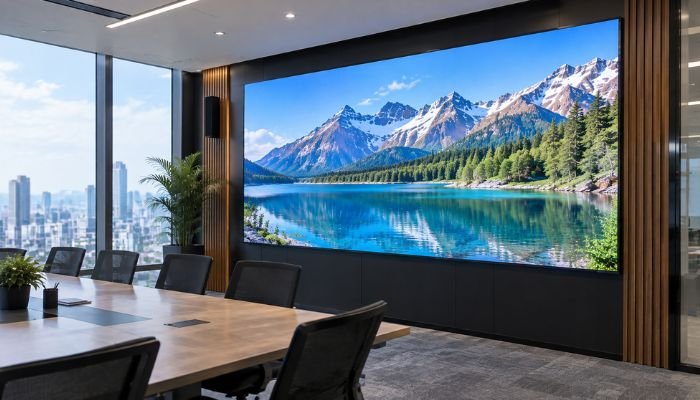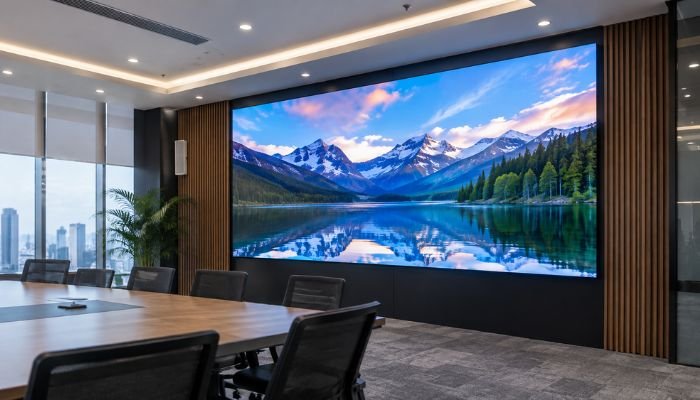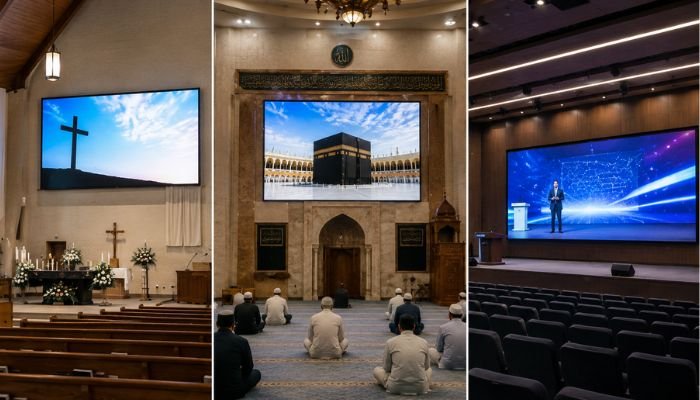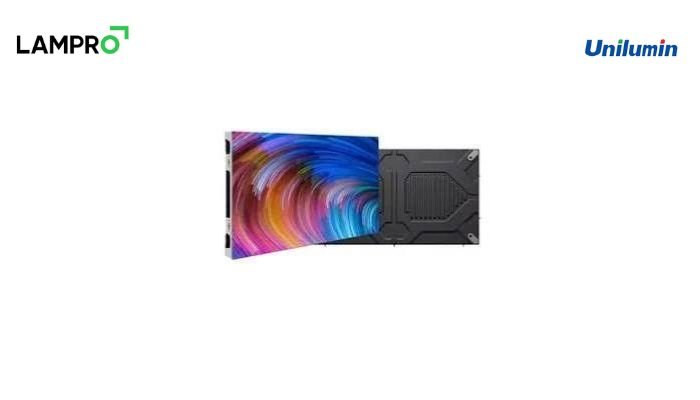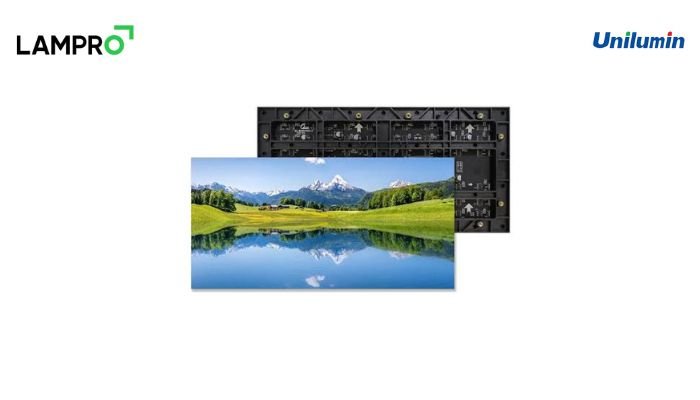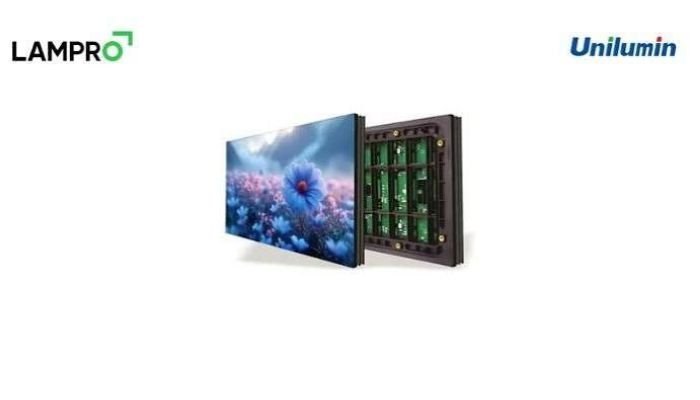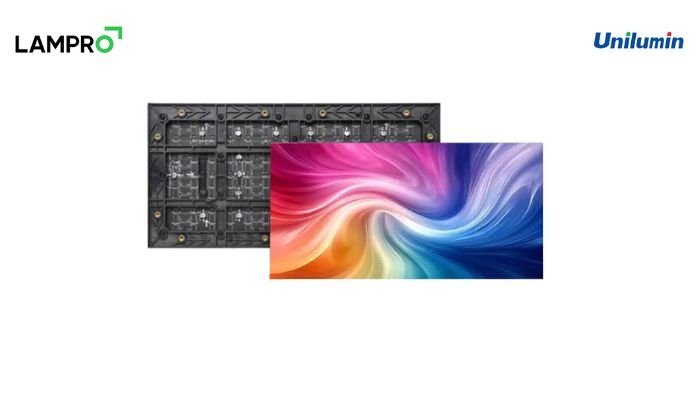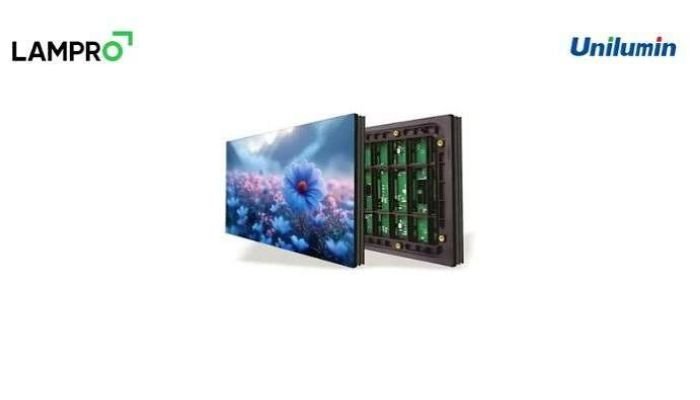

Walk through Dolmen Mall Clifton, Lucky One Mall, or Ocean Mall on any weekend evening, and one thing is impossible to miss: glowing, high-definition screens stretching across building facades, anchoring atriums, and lighting up storefronts. Karachi’s retail landscape has changed dramatically over the last few years, and at the center of that transformation sits one quiet but powerful piece of technology — the SMD screen.
Surface-Mounted Device (SMD) displays have moved far beyond their early role as oversized advertising boards. Today, SMD screens Karachi retail installations are functioning as brand storytellers, navigation aids, atmosphere-setters, and even sales tools inside the city’s biggest shopping destinations. For mall owners, retail brands, and event organizers across Karachi, understanding why this shift is happening — and how to make the most of it — has become essential.
In this article, we’ll walk through exactly how SMD screens are reshaping the retail experience in Karachi’s malls, the practical benefits driving adoption, the technical considerations that matter, and what the future looks like for digital-first retail spaces in Pakistan’s largest city.
Why Karachi’s Shopping Malls Are Going Digital
Karachi is home to over 20 million people and one of the most competitive retail markets in Pakistan. With dozens of malls competing for the same shoppers — from Dolmen Mall and Lucky One Mall to Park Towers and Atrium Mall — standing out has become a serious challenge. Foot traffic alone is no longer enough; malls need to create an experience that pulls people in and keeps them engaged once they arrive.
This is exactly where SMD screen technology has found its footing. Mall management companies have realized that static signage and printed banners simply cannot compete with the visual impact of vibrant, moving digital content. A single LED video wall at a mall entrance can do more to capture attention in ten seconds than a printed billboard does in ten days.
Several factors are accelerating this shift in Karachi specifically:
- Rising consumer expectations shaped by international retail experiences and social media trends
- Increased competition among malls for premium retail tenants and advertising revenue
- Falling cost of high-resolution LED and SMD panels compared to a few years ago
- Greater availability of local installation, calibration, and maintenance expertise
- A growing events and brand-activation culture that demands flexible, high-impact visuals
Where SMD Screens Are Being Used Inside Karachi Malls
The use cases for SMD displays inside a modern shopping mall go well beyond a single big screen at the entrance. Retailers and mall operators in Karachi are now deploying these displays across multiple touchpoints, each serving a distinct purpose in the customer journey.
Mall Entrances and Facades
The first impression a shopper gets often comes from the building’s exterior. Large-format outdoor SMD screens mounted on facades are now a competitive necessity rather than a luxury. These displays run high-contrast brand visuals, event promotions, and seasonal campaigns that are visible from the road, day or night, helping malls capture attention before a customer even parks their car.
Atrium and Central Court Video Walls
The atrium is the heart of any mall, and it’s where the largest indoor SMD installations typically live. Multi-panel video walls in central courts are used for brand activations, fashion show backdrops, product launches, and ambient content that keeps the space feeling alive throughout the day. A well-designed atrium screen can transform an otherwise empty central space into a destination in itself.
In-Store Digital Signage
Individual retail brands inside malls are increasingly installing their own smaller SMD or LED panels at storefronts. These screens display rotating promotions, new arrivals, and pricing information without the cost and waste of printed materials. For fashion outlets, electronics stores, and food courts, this kind of dynamic signage has proven especially effective at pulling window shoppers inside.
Directional and Wayfinding Displays
Larger malls in Karachi, with multiple floors and hundreds of stores, are also using SMD and LED panels for digital wayfinding. Interactive directories help shoppers locate stores, washrooms, parking exits, and dining areas, reducing frustration and increasing the time customers comfortably spend browsing. For first-time visitors especially, a clear digital directory near elevators and escalators can be the difference between a smooth visit and a frustrating one that ends with an early exit.
The Business Benefits Driving Adoption
Mall owners and retail brands don’t invest in large-scale SMD installations purely for visual appeal — the decision is backed by measurable business outcomes. Here’s what’s actually driving the return on investment.
Higher Footfall and Dwell Time
Bright, dynamic displays act as a magnet for foot traffic. Shoppers are naturally drawn toward movement and light, and malls with eye-catching SMD installations consistently report longer average visit durations. The longer a customer stays inside a mall, the higher the likelihood they make a purchase, browse additional stores, or stop at the food court — all of which contribute directly to overall mall revenue.
This effect is particularly noticeable during evenings and weekends, when malls in Karachi see their highest visitor volumes. A vibrant atrium display or an animated facade screen gives families and groups a reason to linger, take photos, and share the experience on social media, which in turn creates organic, low-cost marketing for the mall itself.
New Advertising Revenue Streams
For mall management companies, SMD screens have opened up an entirely new revenue channel. Instead of relying solely on rent from retail tenants, malls can now sell digital advertising slots to brands wanting exposure to thousands of daily visitors. A single well-placed atrium screen can generate consistent monthly advertising income that often pays back the installation cost within a reasonable timeframe.
Stronger Brand Recall for Retailers
Retail tenants benefit just as much as the mall itself. Dynamic in-store displays allow brands to update messaging instantly — a flash sale, a new collection, or a festive promotion can go live across screens within minutes, something printed signage simply cannot match. This agility translates directly into stronger brand recall and quicker customer response to promotions.
Lower Long-Term Marketing Costs
While the upfront investment in SMD technology is higher than printed banners, the long-term cost per impression is significantly lower. There’s no recurring printing cost, no physical waste, and content can be refreshed as often as needed without additional material expense.
Choosing the Right SMD Screen for a Retail Environment
Not every SMD screen is suited to every part of a mall. Pixel pitch, brightness, viewing distance, and installation location all need to be matched to the intended use case for the investment to actually pay off.
Indoor vs. Outdoor Panels
Outdoor facade screens need to withstand Karachi’s heat, humidity, and dust while remaining bright enough to be visible in direct sunlight. Indoor panels, by contrast, are optimized for closer viewing distances and don’t require the same weatherproofing, which keeps costs more manageable for storefront and atrium use.
Pixel Pitch and Viewing Distance
A common mistake in retail SMD deployment is choosing the wrong pixel pitch for the viewing distance. A facade screen viewed from across a parking lot can use a wider pixel pitch without losing clarity, while a storefront screen viewed from a few feet away needs a much finer pitch to avoid a grainy, unprofessional appearance.
Brightness and Contrast Control
Mall environments vary dramatically in ambient lighting — from sunlit entrances to dim, mood-lit luxury sections. Automatic brightness adjustment ensures content remains crisp and legible without overpowering the surrounding space or straining customers’ eyes.
Real-World Impact Across Karachi’s Retail Scene
The shift toward digital-first retail experiences isn’t a future prediction — it’s already visible across the city. Major malls have invested heavily in large-format LED and SMD installations as anchor features, and that investment is now setting the benchmark that mid-sized malls and standalone retail brands are working to match.
Industry reporting on retail technology adoption across South Asia has consistently pointed to digital signage and LED displays as one of the fastest-growing categories in commercial real estate, a trend echoed by global retail technology research tracking how shopping centers worldwide are prioritizing immersive, screen-driven environments to compete with e-commerce.
This global pattern is playing out locally in Karachi too. Smaller plazas and neighborhood shopping centers are beginning to install entry-level SMD screens to keep pace, while premium malls continue to expand their digital footprint with additional panels, interactive kiosks, and synchronized multi-screen content across multiple floors.
What Mall Owners and Retailers Should Consider Before Installing
Before committing to an SMD screen project, mall management and retail brands in Karachi should evaluate a few practical factors that directly affect long-term performance and cost-efficiency.
Power Backup and Local Climate
Karachi’s power supply can be inconsistent, and summer heat is intense for several months of the year, often pushing well past 40 degrees Celsius with high humidity along the coast. Screens need reliable backup power, whether through UPS systems or generator integration, to avoid downtime during peak shopping hours when load-shedding is most disruptive. Proper ventilation or active cooling is equally important, since prolonged heat exposure can shorten the lifespan of LED modules and driver boards if airflow isn’t designed correctly into the cabinet structure.
Dust is another factor that’s easy to overlook. Karachi’s urban environment, combined with construction activity near many commercial areas, means outdoor screens accumulate dust and grime faster than in cleaner climates. Sealed cabinet designs and scheduled cleaning routines help maintain brightness and color accuracy over time, protecting the long-term visual quality that justifies the initial investment.
Content Management Systems
A screen is only as effective as the content running on it. A proper content management system allows mall operators and retail tenants to schedule, update, and rotate content remotely, ensuring promotions stay current without requiring an on-site technician for every change.
Installation Quality and After-Sales Support
Given Karachi’s climate and the high daily usage these screens see in busy malls, working with an experienced local installer matters. Proper mounting, weatherproofing for outdoor units, and access to responsive after-sales support and warranty coverage can make the difference between a screen that performs reliably for years and one that becomes a recurring maintenance headache.
The Future of Retail Displays in Karachi
As more malls and retail brands recognize the impact of SMD technology, the next phase of growth is likely to move beyond simple video walls. Interactive touchscreens, AI-driven content personalization, and synchronized multi-location displays across mall chains are already on the horizon for forward-thinking retail spaces in Pakistan.
We’re also likely to see tighter integration between SMD displays and mobile apps, where shoppers can scan a QR code on an in-store screen to unlock a discount, join a loyalty program, or get instant product details. This kind of phygital experience — blending physical retail with digital convenience — is already common in more mature retail markets and is a natural next step for Karachi’s premium malls.
Karachi’s retail sector is highly competitive, and the malls that continue investing in immersive, well-executed digital displays will likely maintain a clear edge in attracting both shoppers and advertising partners. For retail brands operating inside these malls, adopting SMD signage at the storefront level is quickly becoming less of a differentiator and more of a baseline expectation.
Final Thoughts
SMD screens have moved from a novelty feature to a core part of how Karachi’s shopping malls operate, market themselves, and compete for customer attention. From facade displays that draw people in off the street to in-store signage that drives last-minute purchase decisions, this technology is reshaping the retail experience at every level.
For mall owners and retail brands looking to make this shift, working with an experienced provider matters just as much as the technology itself. Pro SMD Screens is an authorised dealer offering high-quality SMD and LED display solutions across Pakistan, backed by a 3-year warranty and free nationwide installation — helping malls and retailers in Karachi bring these digital transformations to life with confidence.
Get in Touch with Pro SMD Screen
WhatsApp: +92 321 4086763
Phone: +92 42 3592 9400
Email: info@prosmdscreen.com
Address: 658 B Block Faisal Town, Lahore