
TL;DR – Quick Answer Outdoor SMD LED screens are weatherproof displays built from surface-mounted diodes for billboards, storefronts and stadiums. In Pakistan, insist on IP65/IP66 sealing for 45°C summers and monsoon rain, plus 5,000–10,000 nits brightness for daylight. Pixel pitch from P4 to P10 sets viewing distance and budget. Pro SMD Screen’s 3-year warranty and free turnkey installation deliver maximum ROI
Anyone searching for outdoor LED screen price Pakistan quickly learns that no two quotations look alike. One supplier offers a screen at half the price of another, and the difference only appears two monsoons later, when modules fail, colours fade and the cabinet starts to rust.
An outdoor screen is not priced by size alone. Pixel pitch, cabinet construction, LED quality, brightness, power supply efficiency and local support all shape the final figure. This guide explains each driver so you can compare quotations on what matters. We do not publish static prices because every site and structure differs, and a fair figure needs a survey.
What Is an Outdoor SMD LED Screen?
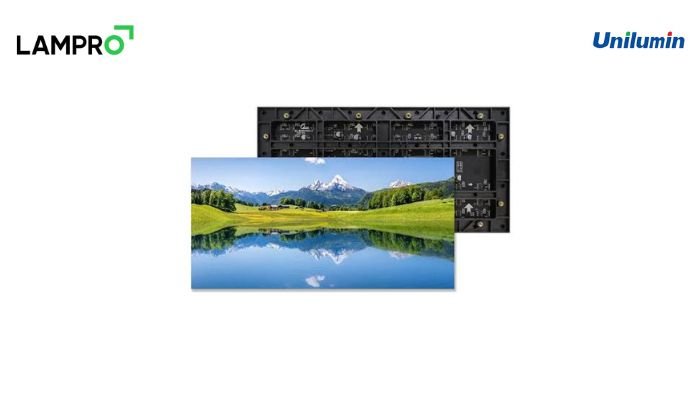
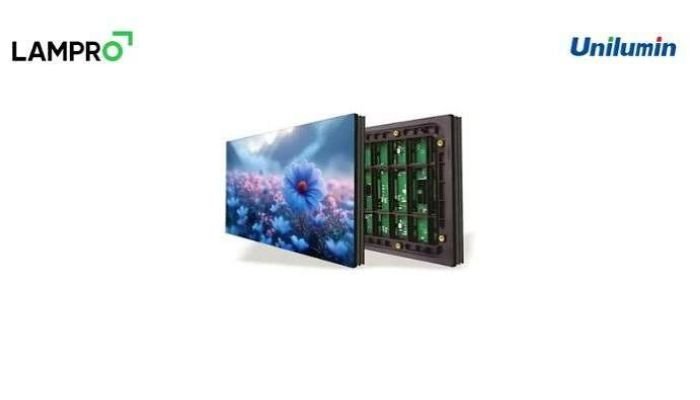
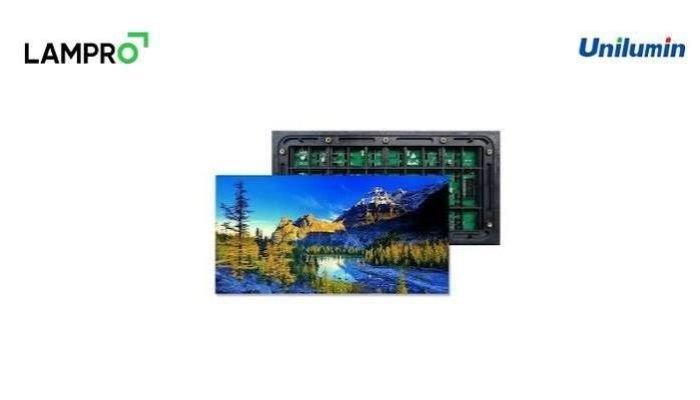
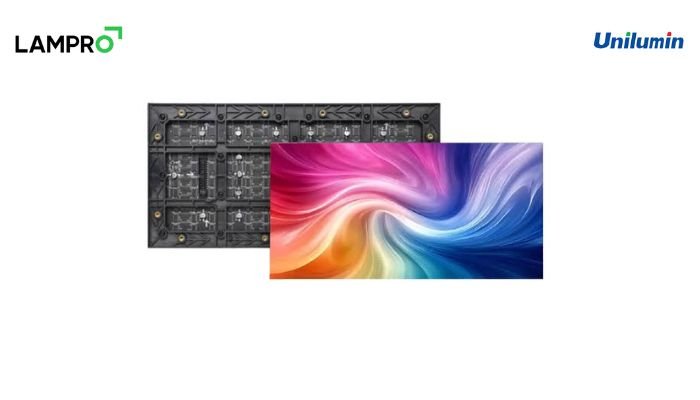
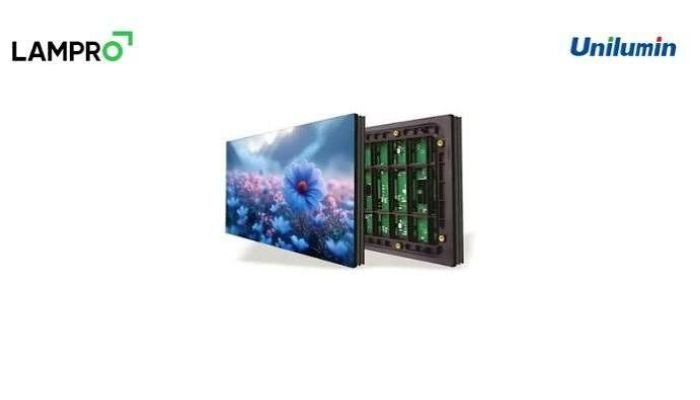
An outdoor SMD LED screen is a display made of surface-mounted diodes, where red, green and blue LEDs are packed into one tiny component for each pixel. Modules are fitted into sealed cabinets, joined into a large wall and driven by a controller.
What separates outdoor from indoor products is protection and brightness. Outdoor cabinets are sealed against dust and water, and the LEDs are driven much harder so the picture stays visible in direct sunlight. An indoor screen placed outside, even under a shade, will fail early from heat, humidity and rain.
The Core Cost Drivers
Pixel Pitch
Pixel pitch is the distance in millimetres between neighbouring pixels. A smaller pitch means more pixels per square metre, a sharper picture and a higher price. Outdoor screens typically use P4, P5, P6, P8 and P10.
The choice should follow viewing distance. Paying for P4 detail on a roadside wall viewed from 30 metres is wasted budget, while using P10 on a storefront seen from 5 metres looks coarse.
Cabinet Construction
The cabinet protects everything inside, so it deserves attention. Die-cast aluminium cabinets are lighter, more accurate in shape, better at dissipating heat and resistant to corrosion. They allow tight, seamless joins between cabinets and are easier to handle during installation. Iron cabinets cost less but are heavier and more vulnerable to rust, particularly in coastal air, unless they are carefully treated and coated.
For long-term projects, especially near the sea, the cabinet material often matters more than a small saving at purchase.
LED Diodes and Brightness
The diodes decide colour quality, brightness and lifespan. Established makers such as Nationstar and Kinglight are widely used in quality outdoor modules because their LEDs hold brightness and colour consistency over time. Cheaper, unbranded LEDs may look fine on day one and then dim or shift colour within a year or two.
Outdoor screens need roughly 5,000 to 10,000 nits to stay visible in daylight. Higher brightness costs more and uses more power, so match it to the location. A shaded storefront needs less than an open highway billboard facing the afternoon sun.
Power Supply Efficiency
Power supplies convert mains electricity for the LEDs and run continuously. Efficient, high-quality units waste less energy as heat, which lowers electricity bills and reduces thermal stress inside the cabinet. In a country with voltage fluctuation, quality power supplies and proper surge protection also prevent many failures.
Outdoor Pixel Pitch Matrix
| Pixel Pitch | Minimum Viewing Distance | Typical Brightness | Best Commercial Applications |
|---|---|---|---|
| P4 | 4 m | 5,000–6,000 nits | Retail storefronts, mall exteriors, restaurant facades |
| P5 | 5 m | 5,500–7,000 nits | Shop fronts, petrol stations, building entrances |
| P6 | 6 m | 6,000–8,000 nits | Billboards, building facades, club and venue screens |
| P8 | 8 m | 7,000–9,000 nits | Highways, roadside advertising, large facades |
| P10 | 10 m and beyond | 7,000–10,000 nits | Stadiums, large highway billboards, long-distance viewing |
Brightness figures are typical ranges and vary by manufacturer and model, so confirm them in the datasheet for the product you are quoted.
Weatherproofing and Pakistan Climate Resilience
Waterproof Sealed Cabinets
Look for IP65 or IP66 protection on the front and rear. IP65 resists dust and water jets, and IP66 handles stronger water exposure. Sealed cabinets, rubber gaskets and waterproof connectors keep monsoon rain out of the electronics. Ask whether the rating applies to the whole cabinet or only the module face, because a screen sealed at the front but open at the back will still fail.
Heat in Punjab Summers
Summer temperatures in Lahore, Multan and across Punjab can exceed 45°C, and a dark screen in direct sun gets even hotter. Excess heat shortens LED life and damages power supplies. Good designs use aluminium cabinets that shed heat, efficient power supplies, quality thermal design and, where needed, cooling fans or air conditioning for large installations. Ask how the screen performs at your local peak temperature, not at a laboratory temperature.
Corrosion in Karachi’s Maritime Air
Salt in coastal air attacks metal and connectors. For Karachi and other coastal sites, prefer die-cast aluminium cabinets, treated or coated metal parts, sealed connectors and a regular inspection routine. A cheaper cabinet that rusts in two years is the most expensive option in the long run.
Other Costs to Plan For
Beyond the screen itself, a realistic budget also covers:
- Structure and foundation: a steel frame, pole or rooftop mounting must carry the weight and resist wind load. This requires structural engineering, not guesswork.
- Controller and software: the sending cards, processor and content management system.
- Electrical work: cabling, distribution, earthing and protection.
- Installation and commissioning: skilled labour, access equipment and testing.
- Permissions: local advertising or building approvals for billboards where required.
- Warranty and maintenance: a long warranty and quick local service reduce the true cost of ownership.
Real-World Projects: Proof From Pakistani Sites
Specifications matter, but installations in real conditions matter more. Our team has delivered outdoor displays across demanding locations in Pakistan:
- Lahore Race Club: a monumental P6 outdoor screen built for large-scale viewing in Punjab’s heat.
- Sukkur Government project: 200 P5 pole streamers installed across the city, designed for repeated outdoor exposure.
- 83 Signals, Malir Cantt, Karachi: an outdoor display installed in a coastal, high-humidity environment.
These sites reflect the conditions that matter here: heat, dust, monsoon rain and sea air.
How to Choose the Right Outdoor Screen
Work through these steps before you request quotations:
- Measure the viewing distance. Find where the nearest regular viewers will be and choose the pitch whose minimum distance fits.
- Judge the light conditions. Direct sun, shade or night-only use decides the brightness you need.
- Check the environment. Coastal, dusty or very hot sites call for stronger cabinet and sealing choices.
- Define the content. Video and large graphics suit coarser pitches, while text-heavy content benefits from finer pitches.
- Compare specifications, not prices. Ask for IP rating, cabinet material, LED brand, brightness, refresh rate, power supply and warranty in writing.
- Plan the structure. Get the mounting and wind-load design checked by an engineer.
You can see the full range on our Outdoor LED Screens page, or return to the Pro SMD Screen home page for our solutions and brands, including Hikvision, Unilumin and Absen.
Frequently Asked Questions
What affects outdoor LED screen price in Pakistan? Pixel pitch, screen size, cabinet material, LED brand, brightness, power supply, controller, structure, installation and warranty all affect the final cost. Because every site differs, a proper quotation needs a survey.
What pixel pitch is best for an outdoor screen? It depends on viewing distance. P4 and P5 suit storefronts and entrances, P6 suits billboards and facades, and P8 or P10 suit highways and stadiums.
Is IP65 enough for Pakistan? IP65 is a common minimum for rain and dust protection. For heavy rain exposure or harsher sites, IP66 gives stronger protection, and the whole cabinet should be sealed, not only the front.
How bright should an outdoor LED screen be? Roughly 5,000 to 10,000 nits, depending on how much direct sunlight reaches the screen. Shaded spots need less, while open sites need more.
Which cabinet is better, die-cast aluminium or iron? Die-cast aluminium is lighter, handles heat better and resists corrosion, which makes it the stronger choice for long life and coastal cities. Iron costs less but needs careful coating and maintenance.
Get a Custom Quote for Your Outdoor LED Screen
Every outdoor screen is designed around its site, so we price each project individually after a proper review. Pro SMD Screen offers a 3-year warranty and free turnkey installation, covering supply, mounting, wiring and commissioning.
Request a free site survey, structural engineering consultation and customised quote today. Call or WhatsApp +92 321 4086763, or send your requirements through our Contact Us page.