| ⚡ TL;DR — Quick Answer
• Retail LED walls fall into three categories: storefront window displays, mall atrium centerpiece walls, and in-store shelf-edge/POS screens — each needs a different pixel pitch and brightness. • Storefront screens need high-nit, glare-resistant panels since they compete with outdoor daylight through glass. • Mall atrium walls (P2.5–P4) double as sponsorship inventory, letting mall operators sell ad space to tenant brands. • Pro SMD Screen supplies Qiangli, Dahua, Unilumin, Absen, and LianTronics panels sized for retail environments across Pakistan, with quote-based installation. |
Why Retail Brands and Malls Are Investing in LED Screens
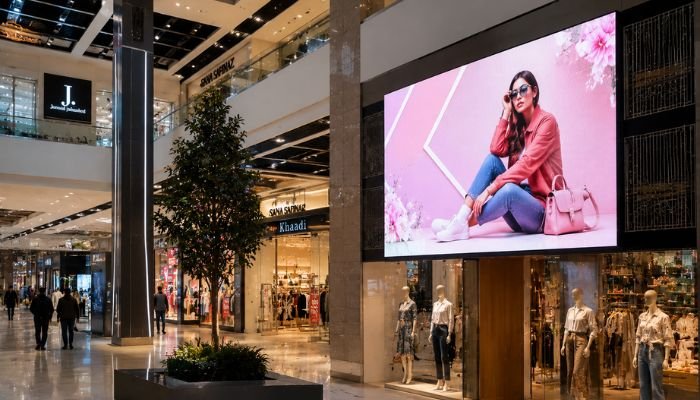
Foot traffic in Pakistani retail spaces is increasingly competing with online shopping, and static signage no longer holds attention the way it used to. Shopping malls in Lahore, Karachi, and Islamabad have responded by turning atriums and storefronts into media surfaces — screens that sell ad space, promote in-house brands, and create the kind of visual energy that makes a mall feel current rather than dated.
For individual retailers, a well-placed LED display does two jobs at once: it pulls people in from the street or the corridor, and it keeps selling once they’re inside, cycling through promotions without needing a staff member to update posters every week.
The Three Retail Screen Categories — and Why They’re Different
Not every retail LED screen is built the same way, and using the wrong spec in the wrong location is the most common mistake retailers make.
Storefront Window Displays
These face outward, often through glass, competing directly with daylight. They need considerably higher brightness (measured in nits) than an indoor screen, along with weatherproofing considerations if the mount is exposed to any outdoor airflow or humidity near entrances.
Mall Atrium Video Walls
Positioned as the visual centerpiece of a mall lobby or atrium, these run at finer pixel pitch since shoppers pass close by, and they’re built to run 12+ hours a day without visible seams. Mall operators increasingly treat this as sellable ad inventory rather than just decor.
In-Store Shelf-Edge and POS Displays
Smaller, closer-viewing screens placed at eye level near products or checkout counters. These need the finest pixel pitch of the three since shoppers stand within a foot or two, but total screen area is much smaller, keeping cost manageable.
Pixel Pitch and Brightness: Matching the Screen to the Space
- Storefront-facing (through glass): P4–P6 with high-brightness panels (2,500+ nits) to stay visible against daylight
- Mall atrium centerpiece: P2.5–P4, seamless cabinets, standard indoor brightness (600–1,000 nits)
- Shelf-edge / POS: P1.5–P2.5 for close-range clarity at a small physical footprint
Getting brightness wrong is the most common complaint from retail clients — a screen that looks great in the showroom can appear dim and washed out once installed behind glass facing an open mall corridor or street-facing window.
Comparing the Three Retail Screen Types
| Screen Type | Typical Location | Pixel Pitch | Key Requirement | Primary Purpose |
| Storefront Window LED | Facing street/mall corridor through glass | P4–P6, high-brightness | High nits to beat glare, transparent or slim mount | Pull foot traffic in from outside |
| Mall Atrium Video Wall | Central atrium or entrance lobby | P2.5–P4 | Seamless large-format, media-server control | Brand centerpiece, sponsorship revenue |
| In-Store Shelf-Edge / POS Display | Aisles, checkout counters, product shelves | P1.5–P2.5 | Compact, close-viewing clarity | Product promotions, upsell at point of sale |
Content That Converts on Retail Screens
Screen quality only matters if the content on it earns attention. Retail and mall clients working with Pro SMD Screen typically run a mix of:
- Rotating promotional creatives synced to in-store sales and seasonal campaigns
- New arrival and product spotlight reels near entrances
- Brand sponsorship slots for mall atrium walls, sold to tenant retailers
- Wayfinding and directory content during off-peak hours
- Live social media or UGC feeds during launch events and activations
Retailers see the best results when content changes at least weekly — a screen that shows the same static image for a month reads no differently to shoppers than a printed poster.
Installation Considerations for Retail Environments
Glass and Structural Mounting
Storefront installations often require custom bracket work to mount panels behind or within existing glass storefronts without compromising the shopfront’s structural glazing or warranty.
Power and Cabling in Fit-Out Spaces
Retail fit-outs are often completed by a separate contractor, so LED wall power and data runs need to be planned early and coordinated with the interior design and electrical team to avoid exposed cabling.
Sunlight, Glare, and Viewing Angle
Storefront and atrium-facing screens should be evaluated for the angle of direct sunlight throughout the day — mall skylights and west-facing storefronts are common trouble spots that need brighter panels or anti-glare positioning.
Operating Hours and Panel Longevity
Retail and mall screens often run 12 to 16 hours a day, every day, which is a heavier duty cycle than event or hospitality screens. Panel selection and cooling design should account for this continuous runtime to avoid premature pixel degradation.
Cost and ROI Factors for Retail LED Screens
- Brightness rating adds cost faster than pixel pitch for storefront-facing screens, since high-nit LEDs and drivers cost more per module
- Mall atrium walls can offset their cost through tenant advertising revenue, often recovering investment faster than a single retailer’s own screen
- Shelf-edge displays are the lowest-cost entry point for retailers testing digital signage before committing to a larger installation
- Ongoing content management (either in-house or through a media-server subscription) should be budgeted alongside the hardware cost
Because retail spaces vary widely in layout, glass structure, and lighting conditions, Pro SMD Screen provides a site assessment before quoting — this is especially important for storefront and atrium installations where brightness and mounting decisions directly affect the final price.
Why Retailers and Mall Operators Choose Pro SMD Screen
Pro SMD Screen, based in Lahore, supplies and installs indoor and outdoor LED display solutions for retail stores, shopping malls, and commercial spaces across Pakistan. As an authorized dealer for Qiangli, Dahua, Hikvision, Unilumin, Absen, and LianTronics, the company matches panel brand and spec to each retail environment rather than offering a one-size-fits-all package.
Retail engagements typically include a site and lighting assessment, brightness and pixel-pitch recommendation, custom mounting for glass or fit-out spaces, and content-management setup so in-house marketing teams can update creatives without ongoing technical support.
Frequently Asked Questions
Q: What brightness do storefront LED screens need in Pakistan?
A: Storefront-facing screens exposed to daylight through glass typically need 2,500 nits or higher to stay clearly visible, compared to 600–1,000 nits for indoor-only screens.
Q: Can a mall atrium LED wall generate its own revenue?
A: Yes. Many mall operators sell atrium screen time as advertising inventory to tenant brands, which can offset or fully recover the installation cost over time.
Q: What pixel pitch is best for in-store product displays?
A: P1.5 to P2.5 is typical for shelf-edge and point-of-sale screens, since shoppers view them from very close range.
Q: How often should retail screen content be updated?
A: At minimum weekly, though retailers running frequent promotions often refresh content every few days to keep the screen from becoming visual wallpaper shoppers stop noticing.
Q: Does Pro SMD Screen handle installation behind existing storefront glass?
A: Yes, custom mounting solutions are assessed and designed on-site to fit within existing storefront glazing without compromising the structure.
Q: How long do retail LED screens last running 12+ hours a day?
A: With proper panel selection and cooling design for continuous operation, indoor SMD panels are built for long duty cycles; Pro SMD Screen recommends maintenance checks aligned with the retailer’s peak season.
Get a Retail LED Screen Quote
Pro SMD Screen works with individual retailers and mall operators across Pakistan to design LED displays suited to storefronts, atriums, and in-store spaces. Contact the team on +92-42-3592-9400 or +92-321-4086763 for a site assessment and quote-based proposal.